Welcome to the 23rd edition of China Scholar Insights!
China Scholar Insights is a feature which aimed at providing you with the latest analysis on issues that Chinese scholars and strategic communities are focusing on. We will carefully select commentary articles and highlight key points. Questions or criticisms can be directed to sch0625@gmail.com
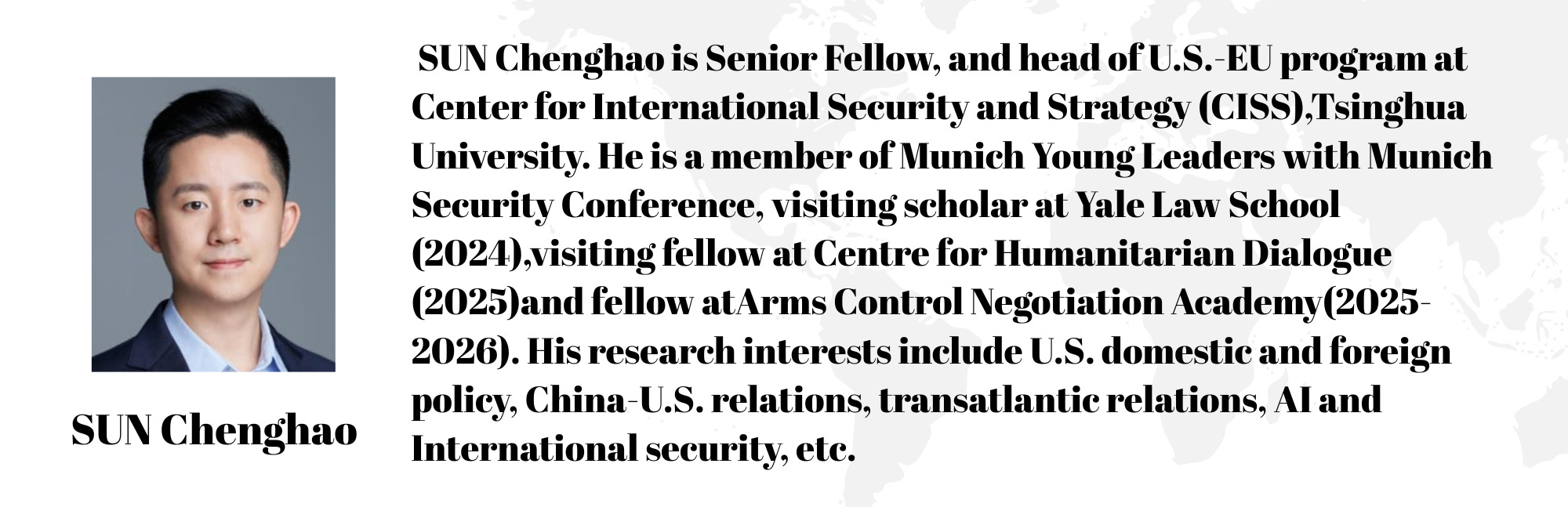
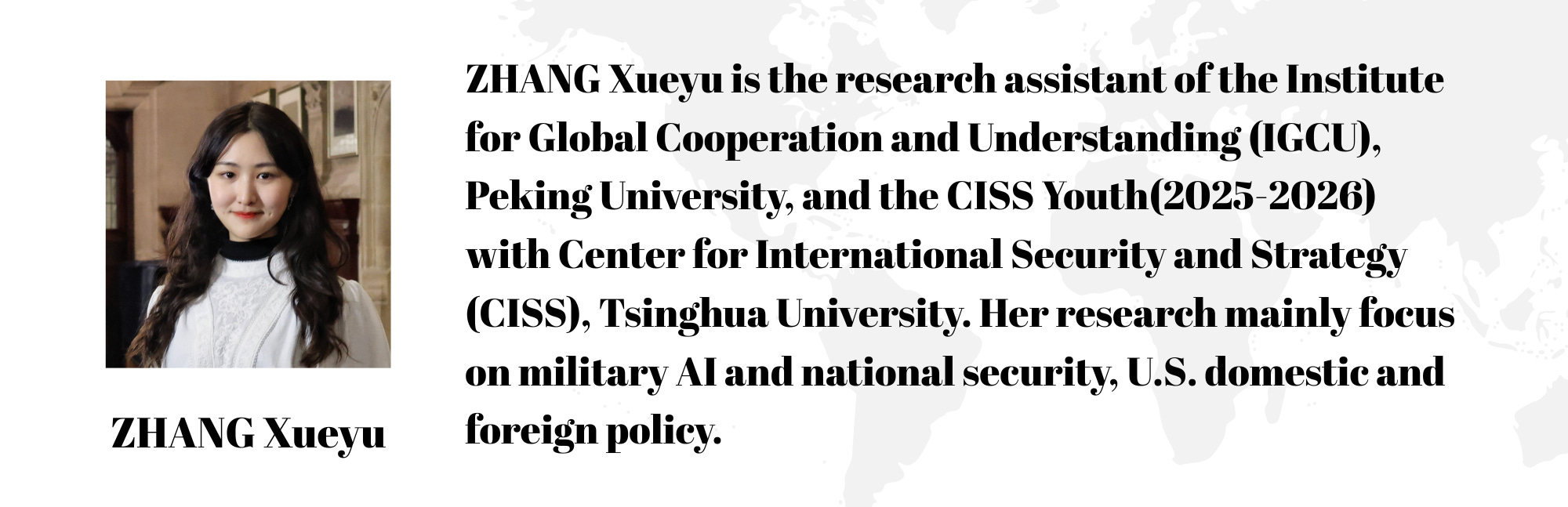
I am SUN Chenghao, a fellow with the Center for International Security and Strategy (CISS) at Tsinghua University. ChinAffairsplus is a newsletter that shares Chinese academic articles focused on topics such as China’s foreign policy, China-U.S. relations, China-European relations, and more. This newsletter was co-founded by me and my research assistant, ZHANG Xueyu.
Background
Cross-Strait relations bear great significance to regional peace and stability. In early 2026, high-level dialogue between the CPC and the KMT resumed on the basis of the 1992 Consensus and opposition to “Taiwan independence,” creating limited but important momentum for easing tensions and maintaining channels of communication across the Strait.
At the same time, Taiwan-related moves by Japan has brought new uncertainties into the regional security environment. Against this background, the recent high-profile visit to mainland China by Kuomintang Chair Cheng Li-wun has further highlighted the growing complexity of Taiwan’s internal political landscape. With Donald Trump expected to visit China in the near future, considerable attention has been focused on the future trajectory of the Taiwan issue and on whether it will emerge as a key topic during a potential leaders’ meeting.
Taiwan Remains the Underlying Tension in China-U.S. Relations
The high-profile visit to mainland China by Cheng Li-wun has once again drawn broad attention to the Taiwan issue. With Donald Trump set to arrive in Beijing tomorrow, whether Taiwan will appear on the “list” during the upcoming China-U.S. leaders’ meeting has also become a subject of intense discussion.
From the current perspective, although the Taiwan issue remains highly important, economic and trade issues will still rank first on the summit agenda. The American business delegation accompanying Trump reportedly includes individuals connected to Boeing, which sends a clear signal that both sides still hope to achieve a certain degree of stability in economic relations and potentially reach partial purchasing agreements. Compared with the Taiwan issue, the summit is more likely to produce concrete outcomes in the economic sphere, including efforts to cool the tariff war and partially restore bilateral trade relations. In addition, the two sides are also expected to exchange views on AI-related risks, fentanyl and China-U.S. counternarcotics cooperation, as well as the Iran issue.
On Taiwan itself, if Trump were to once again explicitly state that the United States “opposes” unilateral moves toward Taiwan independence or reiterate support for the “peaceful resolution,” this would undoubtedly be welcomed by Beijing. Particularly at a time when China-U.S. relations remain defined by simultaneous competition and limited cooperation, any relatively positive signal from Washington on Taiwan could help create a more constructive and less confrontational political atmosphere for the summit.
At the same time, however, Beijing also maintains a relatively sober understanding of Trump. Chinese policymakers are unlikely to focus excessively on the precise wording of his statements alone, but rather on the broader tendencies and practical policy direction behind them. Even if Trump releases more conciliatory signals on Taiwan, this would not necessarily indicate any fundamental change in long-standing U.S. Taiwan policy. Nevertheless, such gestures could still leave additional room for maneuver in China-U.S. interactions.
Compared with summit-level rhetoric, the issue that raises greater concern is U.S. arms sales to Taiwan. Prior to Cheng Li-wun’s visit to mainland China, the Kuomintang under her leadership had attempted to temporarily shelve sensitive arms-sale issues by demanding that the United States first provide a formal pricing document before approving additional procurement-related spending. Ahead of Trump’s Beijing trip, the White House also appeared to intentionally delay arms sales in order to avoid directly disrupting the summit atmosphere. However, on May 8, Taiwan’s legislative body passed the DPP authorities’ special defense budget bill worth approximately $25 billion, leaving the U.S. State Department the “final approach” before the previously suspended $13 billion arms package could move forward. As a result, if Trump concludes that the summit has failed to produce the outcomes he expected, or if he faces mounting domestic political pressure in Washington, the possibility of the White House reviving arms sales to Taiwan remains extremely high.
In addition, Japan’s current trajectory on Taiwan-related issues also deserves close attention. During her mainland visit, Cheng Li-wun repeatedly referenced Japan while in Nanjing. Although some of the more aggressive Taiwan-related rhetoric associated with the Takaichi government was reportedly restrained to some extent under pressure from Trump, the United States in practice continues to tolerate Japan’s military expansion. Meanwhile, there are indeed growing tendencies within Japan to use the current geopolitical environment to further advance the country’s transformation into a “normal state.” From China’s perspective, this constitutes a major security concern. For East Asian countries more broadly, if Japan were eventually to further strengthen its military capabilities, seek potential nuclear capabilities, and deepen its involvement in Taiwan affairs while effectively performing a “good cop-bad cop” role alongside the United States, regional insecurity would increase substantially.
Finally, the Iran issue is also beginning to shape how the American strategic community views Taiwan. One important lesson exposed by the current Iran situation is the critical importance of wartime military supply stability. In the eyes of many American strategists, mainland China possesses exceptionally strong large-scale industrial production capacity and sustained military supply capabilities, which is generating growing concern in Washington regarding a hypothetical Taiwan contingency. To some extent, the Iran issue is pushing the United States to rethink Taiwan increasingly through the lens of protracted warfare and supply-chain resilience. This could in turn influence future U.S. arms sales decisions and broader deterrence planning in the Indo-Pacific. For example, Washington may place greater emphasis on maintaining wartime production stability while developing weapons systems that are both highly precise and relatively inexpensive, in order to avoid repeating the “cost asymmetry” exposed in the Iran case.
Safeguarding Peaceful Development Across the Taiwan Strait: Public Consensus, Party Dialogue, and Taiwan’s Future
Mainstream Public Opinion Drives Peaceful Development of Cross-Strait Relations
In early April 2026, a delegation led by Cheng Li-wen, Chairperson of the Chinese Kuomintang (KMT), visited the Chinese mainland, marking the resumption of high-level dialogue between the Communist Party of China (CPC) and the KMT after a 10-year hiatus. Rooted in the 1992 Consensus and opposition to “Taiwan independence,” this engagement responds to mainstream public opinion in Taiwan calling for peaceful cross-strait development and the resumption of exchanges.
Dialogue Resumed: Reaffirming the Cornerstone of Stability
Looking back on the development of cross-strait relations, inter-party dialogue and exchanges have consistently served as an significant bridge for overcoming impasses and moving forward.The 1992 Consensus enabled landmark talks from the 1993 Wang-Koo meeting to the 2015 leaders’ summit, proving that adherence to the One-China principle and rejection of separatism are prerequisites for stability. Xi Jinping, General Secretary of the CPC Central Committee, met with Zheng Liwen and put forward four proposals on cross-Strait relations, making significant and far-reaching influence across the Taiwan Strait and internationally.
The Mainstream Public Opinion: Rejecting Confrontation, Demanding stability
Currently, Taiwan’s economy is facing downward pressure, and livilihood issues are drawing heightened public attention.The current administration in Taiwan has maintained a persistent adherence to a separatist platform and a confrontational cross-strait policy. This approach has increasingly distanced the leadership from mainstream public demands for stability and the practical socioeconomic needs of the population. A late 2025 poll by Taiwan’s United Daily News Group showed that 63% of local residents oppose the current Taiwan authorities’ cross-strait policies. Hence Zheng Liwen’s “2026 Peace Visit” aligns with prevailing public sentiment in Taiwan.
Ten Policies for Shared Prosperity: Positive Drivers for Economic and Practical Benefits
Coinciding with the visit, the mainland authorities announced ten policy measures to facilitate practical cooperation,which cover normalized cross-Strait direct flights, individual travel to Taiwan, youth exchange programs, and agricultural, fishery and cultural cooperation.These initiatives target specific economic pressures in Taiwan, such as the tourism sector’s deficit, which exceeded 700 billion New Taiwan dollar in 2025. They can not only inject economic vitality into Taiwan’s traditional industries, domestic service sectors and grassroots people, but also provide it with strong support in a turbulent geopolitical environment, guarantee the security of its energy and other resource supplies, and protect people’s hard-earned wealth.
Resolving differences through political mutual trust and consultation remains the cornerstone of regional stability. This high-level interaction not only upholds historical consensus but also establishes a pragmatic roadmap for future peaceful development and shared prosperity.
2025 Taiwan Policy: Restraint as the Core Trait
The Trump administration’s Taiwan policy in 2025 is marked by three key features: restraint, anxiety and extortion, with restraint standing out as the most prominent. Trump prioritizes China-US trade negotiations and sees Taiwan as far less strategically important than the Chinese mainland, so he has avoided risky moves on the Taiwan question. Unlike the Biden administration, there have been no inappropriate remarks about Taiwan from Trump or his cabinet that require clarification, nor has he resumed high-risk interactions with Taiwan authorities. Firm and effective countermeasures from China against US-Taiwan contacts have also deterred the US from taking radical steps, forcing Taiwan’s leader to cancel planned transit visits to the US and other regions.
Military Anxiety and Transactional Extortion
Driven by growing anxiety over the unfavorable military balance between China and the US in the Western Pacific, the US has stepped up military deterrence against China, including boosting troop deployment in the Asia-Pacific, pressing allies to raise defense budgets and enhancing military cooperation with regional countries. Meanwhile, the Trump administration has resorted to extorting Taiwan for economic and technological benefits. It has demanded Taiwan pay more “protection fees” through larger arms purchases, increased imports of US goods and more investment in the US, with a $11 billion arms sale plan as a typical move. More importantly, it is pressuring Taiwan’s semiconductor industry to relocate factories to the US, seeking to hollow out Taiwan’s core semiconductor sector.
2026 Policy Outlook: Strategic Ambiguity and Sustained Restraint
The US will maintain its long-standing strategic ambiguity on Taiwan, with the core goal of preserving the status quo across the Taiwan Strait. The military challenges brought by US deterrence are generally controllable, as Trump is highly cautious about military conflicts with major powers and respects China’s comprehensive national strength. With intensive high-level diplomatic exchanges between China and the US, the administration’s restrained approach is likely to continue in 2026. While there is uncertainty if China-US trade talks stall, the overall restrained stance will remain unchanged for the time being.
Takahashi Sanae’s “Offering Without Worship” as Political Opportunism
Takahashi’s visit to the Yasukuni Shrine in the form of “offering without worship” constitutes a disguised compromise and act of political opportunism. She seeks to consolidate her right-wing base while avoiding the severe repercussions that a prime ministerial visit would entail, rendering her expressed intent to pay homage a mere political performance. Irrespective of the form taken, such actions represent a blatant challenge to historical justice, and in essence constitute denial and glorification of the history of aggression, reflecting her distorted view of history and opportunistic character.
Revision of the “Three Principles on Transfer of Defense Equipment” Signals Japan’s Accelerated “Remilitarization” and Arms Exports
The Japanese government’s resolution permitting the export of lethal weapons has the core objective of shedding the constraints of the peace constitution, advancing the security strategy from “exclusively defense-oriented” toward proactive external intervention, and seeking great military power status. It also has an economic dimension: sharing R&D costs and enhancing the competitiveness of the military industry through arms trade. By reinforcing military-technical cooperation with the United States and exporting weapons to the Indo-Pacific region, the intention is to align with the “Indo-Pacific Strategy” to contain China. The new rules permit weapon exports to countries in conflict, which could undermine regional peace, fuel an arms race, and deviate from Japan’s post-war peace commitments.
The Roots of Successive Provocations Lie in Japan’s Rightward Political Shift and the Erroneous Framing of China as a Threat
The deliberate passage of a vessel through the Taiwan Strait on the 131st anniversary of the Treaty of Shimonoseki’s signing, taking far longer than normal transit time, was a premeditated political provocation. It aimed to sting China’s historical memory, test China’s bottom line, cater to domestic right-wing public opinion, and send erroneous signals to “Taiwan independence” forces. The invocation of “freedom of navigation” is a distortion of the concept and a grave violation of the One-China Principle. These successive provocations reflect severe right-wing drift in Japanese politics. Takahashi is eager to advance a right-wing agenda to cast off post-war constraints and divert attention from domestic socio-economic difficulties, while externally exploiting the U.S. strategy of containing China to accelerate military unfettering. The root cause lies in Japan erroneously viewing China’s development as a threat and attempting to contain China through military expansion and diplomatic encirclement, with historical revisionism providing legitimacy for military buildup and expansion.
“Most Hostile Toward China” Has a Realistic Basis, But Long-Term Excessive Pessimism Is Unwarranted
The deterioration in relations is a spillover effect of extreme political rightward drift and populism in Japan. Right-wing forces have seized comprehensive power, moderates are marginalized, and the negative dimensions of China policy are amplified. Takahashi is pushing constitutional revision and military expansion while challenging the political foundation of Sino-Japanese relations; the hollowing out of the peace constitution and the lingering toxic legacy of militarism leave the right wing unchecked. The current relationship faces the gravest situation since normalization of diplomatic ties, and the characterization of Japan as “most hostile toward China” is factually grounded and unlikely to change in the short term. However, domestic opposition within Japan is growing, economic circles are dissatisfied with hardline China policies, and the massive stock of economic and trade ties means that right-wing agendas are by no means a national consensus; continued pursuit will generate a backlash. While resolutely struggling, strategic composure should be maintained to steer the relationship back onto a rational track; the future still holds possibilities for improvement.
The U.S. and its allies focus more on Greenland than on Taiwan
The objective world remains unchanged, yet perspectives differ. The U.S.–China trade war has not ceased; the two sides have only reached a temporary consensus on raising universal tariffs. Trade, technology and broader strategic competition continue unabated. The trade war has changed in form but not in nature—it has not ended. High-level meetings will not calm bilateral relations; competition persists. A Trump visit to China would not guarantee long-term stability, only the resolution of immediate difficulties or specific issues such as crisis management and preventing escalation into armed conflict. It cannot be assumed that a 2026 visit would put ties on a positive new trajectory. Instead, discussions would center on preventing war over Taiwan. For 2026–2027, the U.S. and its allies are more preoccupied with whether Greenland will be acquired by peaceful or military means; Taiwan is not their central focus.
Sanae Takaichi misjudged Trump’s Taiwan policy: the U.S. seeks to prevent war, not win one
Japan’s conservative Prime Minister Sanae Takaichi provoked tensions by crossing red lines on Taiwan soon after taking office, possibly reflecting a misunderstanding of Donald Trump’s policy. Trump’s approach is to prevent war over Taiwan, not to prepare to win one. Takaichi’s stance runs counter to this. Moreover, U.S. allies, including Japan, cannot restore their pre-Trump relationships. Economic friction between the U.S. and its allies continues to intensify, and on security, European nations are particularly alarmed by Trump’s declared determination to take Greenland—whether peacefully or by force. This preoccupation far outweighs their attention to other issues. For Japan, the earlier “Abe line” of balancing security ties with the U.S. and economic ties with China is unlikely to persist. The Takaichi government will maintain the U.S.–Japan alliance as its foundation, and the next administration is unlikely to change course significantly. Unlike European countries, Japan’s reliance on the U.S. security guarantee commands bipartisan consensus. During Takaichi’s tenure, room for improving Sino-Japanese relations will remain limited; opportunities may emerge only after one or two more prime ministers have come and gone.
U.S.–East Asia allied relations depend on leaders’ ties rather than national interests
South Korea’s progressive President Lee Jae-myung has actively sought to improve relations with China. His first overseas visit of the year was to Beijing, where he expressed willingness to cooperate not only on economic and technological fronts but also to fully restore bilateral ties, including security cooperation. Under Lee, China–ROK relations are likely to advance beyond economic and technical collaboration into the security domain. The future of relations among China, Japan and Korea—and in Northeast Asia more broadly—will largely hinge on the policies adopted by decision-makers. Notably, Japanese media have observed that Takaichi’s confrontational approach is driven not by national interest but by her personal need to create favorable conditions for her leadership, illustrating how individual interests can override the national interest in shaping policy.
As long as the U.S. does not want war with China, there is no war risk between Japan and China
Over the next decade, East Asia is likely to remain one of the most peaceful regions in the world. There is little risk of war between China and Japan, and a Sino-American war within ten years is unlikely. As the Cambodia–Thailand border conflict demonstrates, as long as China and the U.S. decide not to go to war in East Asia, no military clash in the region can escalate into a large-scale conflict. Both powers have sufficient capability to prevent small-scale frictions from spiraling into war. If the U.S. has no intention of fighting China, it can—and will—restrain Japan from doing so. Washington has no desire to see a war between Japan and China.