



Welcome to the 16th edition of China Scholar Insights!
China Scholar Insights is a feature which aimed at providing you with the latest analysis on issues that Chinese scholars and strategic communities are focusing on. We will carefully select commentary articles and highlight key points. Questions or criticisms can be directed to sch0625@gmail.com
I am SUN Chenghao, a fellow with the Center for International Security and Strategy (CISS) at Tsinghua University. ChinAffairsplus is a newsletter that shares Chinese academic articles focused on topics such as China’s foreign policy, China-U.S. relations, China-European relations, and more. This newsletter was co-founded by me and my research assistant, ZHANG Xueyu.
Background
Against the backdrop of an intensified “Trump 2.0” tariff offensive—marked by sharply higher effective tariffs, episodic truces and only partial rollbacks—China-U.S. economic and technology frictions have deepened, spilling into supply-chain and security domains. At APEC 2025 in South Korea, the Xi–Trump meeting on the summit sidelines created a rare face-to-face window to stabilise expectations, recalibrate trade and tariff arrangements, and test whether the two sides can manage strategic rivalry while avoiding a hard economic decoupling.
Summary
Chinese Scholars generally view the Busan summit as a turning point that anchors an unstable relationship and marks the beginning of a phase of “recalibration”. Head-of-state diplomacy and renewed high-level contacts are seen as key stabilizers in an era of enduring strategic competition. While tariffs, tech controls, and supply-chain rivalry are expected to persist, economic and trade ties are still treated as the main “ballast stone”.
At the same time, an “automatic hardening” in U.S. domestic politics and lingering military risks mean that rivalry without rupture requires concrete crisis-management mechanisms, including a revived Joint Staff Dialogue and ‘2+2’ consultations on Asia-Pacific security, arms control/non-proliferation, and strategic stability, together with upgraded hotlines, AI-governance discussions, and people-to-people exchanges. Stabilising the relationship is also regarded as a prerequisite for easing tensions over Taiwan and avoiding a new Cold War.
Insights
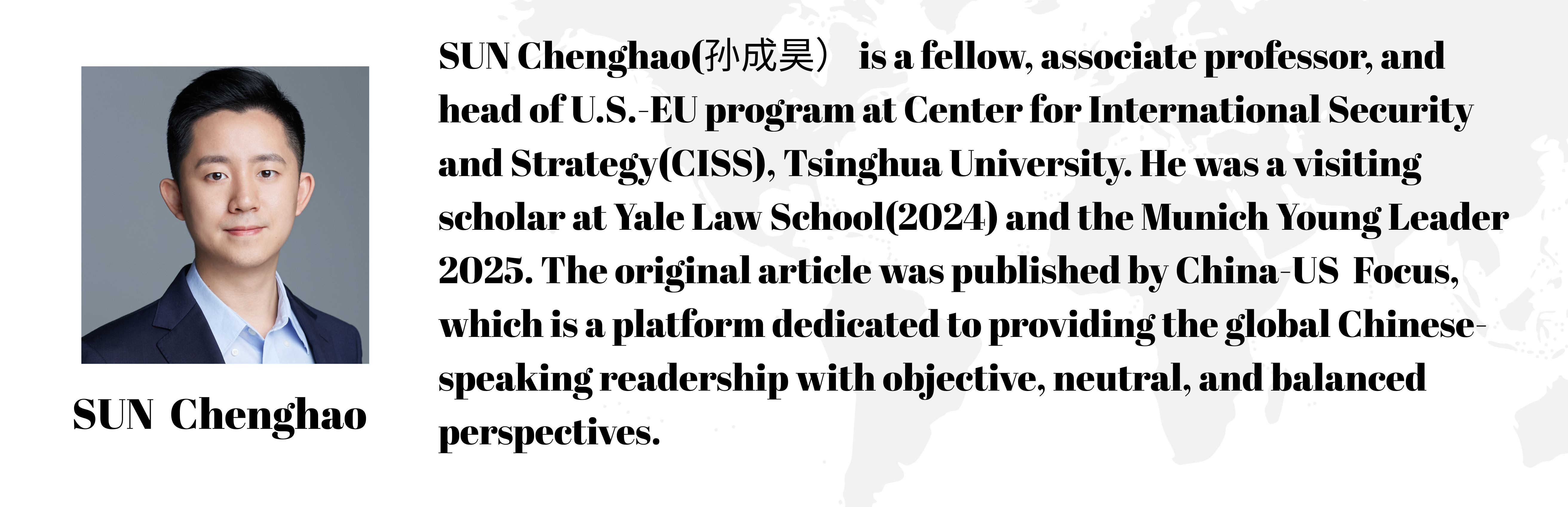
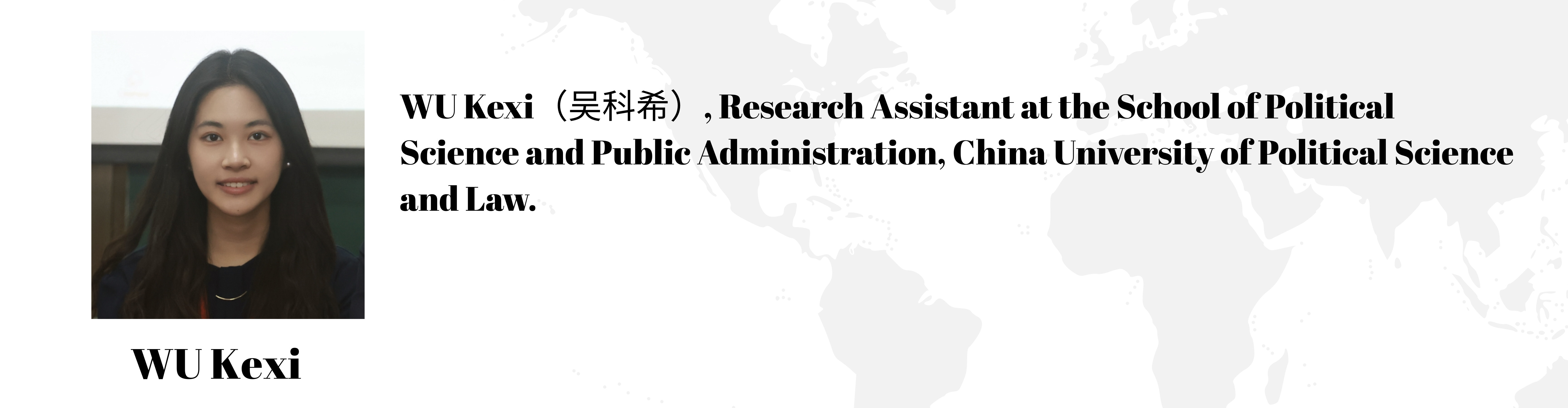
SUN Chenghao and WU Kexi: The Busan Summit Sets the Course for a “Recalibration” of China–US Relationship
The Presidential Summit in Busan on October 30 marked a critical recalibration point for the China-US relationship, stabilizing it after a volatile period involving tariffs, technology controls, and public confrontation.
A New Anchor for Future Stability
The meeting underscored the indispensable top-level design mechanism of head-of-state diplomacy, providing the final decision-making authority,setting strategic direction, and sending key signals. This mechanism goes beyond addressing accumulated short-term frictions to establish a stable framework over the longer term. China reiterated its focus on its own development, not challenging any nation, while the US emphasized China’s status as an “important partner.” Both sides committed to maintaining regular communication between the two heads of state, thereby providing a new anchor of stability for the relationship’s future. President Trump invited President Xi to visit the United States and expressed his anticipation of visiting China early next year, which is essential for strengthening market confidence and reducing regional tension.
Entering the Recalibration Phase: Controlled Stability Amidst Competition
The China-US relationship has exited its most severe fluctuations, entering a “recalibration” stage that seeks a new, stable form centred on management and control. This is not a return to a “honeymoon” period. Instead, it is a process of managing strategic competition through predictable interactions. Economic cooperation is explicitly reaffirmed as the essential “ballast stone” and “propeller,” reinforcing that trade should be a stabilizing force, not a source of conflict.
Structural Challenges from U.S. Politics
The path ahead remains constrained by the US domestic political structure, which exhibits an “automatic hardening” tendency toward China. Congress, the military, security agencies, and parts of the administration often take reflexive “tough” stances to gain political legitimacy or agenda advantage. Even when the White House seeks stability, institutional inertia can create friction in areas such as visa reviews, technology exports, law enforcement, and supply-chain oversight. This dynamic dictates a future of overall stability but localized turbulence, requiring both sides to maintain patience and reinforce communication mechanisms to prevent misreading.
Directions for Action: AI Governance and Social Foundations
To ensure the “recalibration” is effective, China and the United States must achieve early, substantive results in practical cooperation. AI governance has emerged as a priority, calling for institutional dialogue on risk assessment, military AI safety, data management, cybercrime, financial fraud and cross-border scams. It is equally critical to resort educational and scientific exchanges, expand interactions and cooperation at the commercial and local levels. Generally, the Busan summit has opened a phase for the China-US relationship featuring prioritized cooperation, managed risks, and bounded competition. Future ties will seek a new balance through strategic prudence, policy resilience, and multi-tiered dialogue. Translating current consensus into sustained actions, institutional arrangements, and policy outcomes will ultimately determine the trajectory of the China-US relationship.
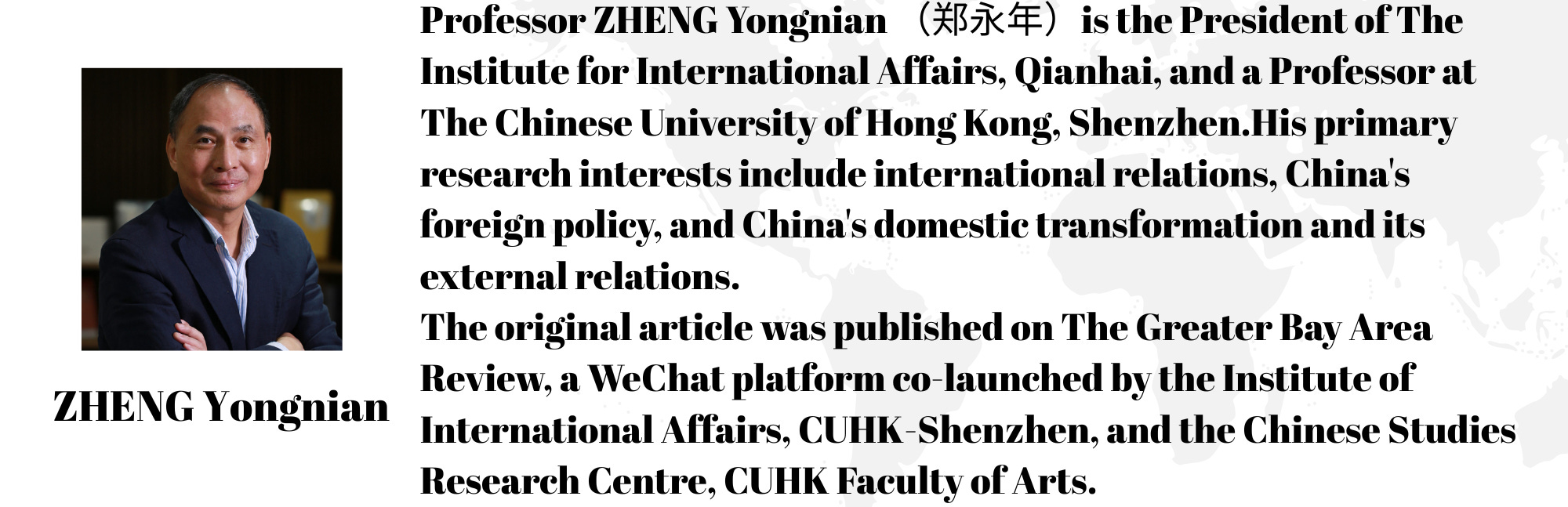
ZHENG Yongnian: The “Stabilizer” in China-U.S. Relations Remains Intact
The recent high-level meeting showcases that both nations have reached a new equilibrium of reciprocity. China’s decisive actions in sectors like rare earths shattered the U.S. illusion that it could simultaneously restrict China’s tech access and still expect smooth trade cooperation. This has earned China greater initiative. The “G2” discourse implicitly acknowledges China’s pivotal global status. China’s stance on further opening and championing globalization also benefits worldwide economic development.
After Intense Competition, China-U.S. relations are Stabilizing on a More Rational Path
The relationship is far more complex than the U.S.-Soviet Cold War rivalry. Deeply embedded in globalization, their ties are intertwined across politics, economics, people-to-people exchanges, and security. Repeated frictions have fostered greater mutual understanding and rationality on both sides. Current engagements sustain “rivalry without rupture” and achieve progress via managed competition—positive for both bilateral relations and the global order.
The Timing Reflects a Shared Major-Power Responsibility to Choose Dialogue over Destructive Confrontation
China signaled new rare earth regulations as a warning shot but held back, demonstrating restraint to encourage U.S. rationality. This reflects China’s focus on long-term cooperation, not short-term retaliation. Both sides’ adjustments should be seen not as “concessions” but as rational choices for mutual benefit.
Economic and Trade Ties Remain Key “Stabilizer” in China-US Relations
Unlike comprehensive competition across multiple fronts, Trump focused solely on trade and economic issues—the foundation of relations, which are negotiable, unlike political and ideological differences. The U.S. and Chinese economies are highly complementary. Attempts to “decouple” have failed; both recognize that in a globalized world, the two economies cannot become “isolated islands.” Economic complementarity helps avoid a zero-sum game and creates win-win outcomes.
Opportunity Emerges for Peaceful Resolution of Taiwan Issue Through Reshaped China-U.S. Relations
This meeting is crucial for the Taiwan issue, whose stability is directly linked to that of China-U.S. relations. Trump’s “realism” presents a less ideological, more pragmatic view of China. Enhanced Sino-US political trust could alter Taiwan’s view of U.S. geopolitical interests, making it critical to disentangle “sovereignty” from “geopolitics.” China’s goal is national reunification—a matter of unity, not a bid to exclude the U.S. We advocate “interconnectedness and interdependence” for mutual benefit, not rivalry.
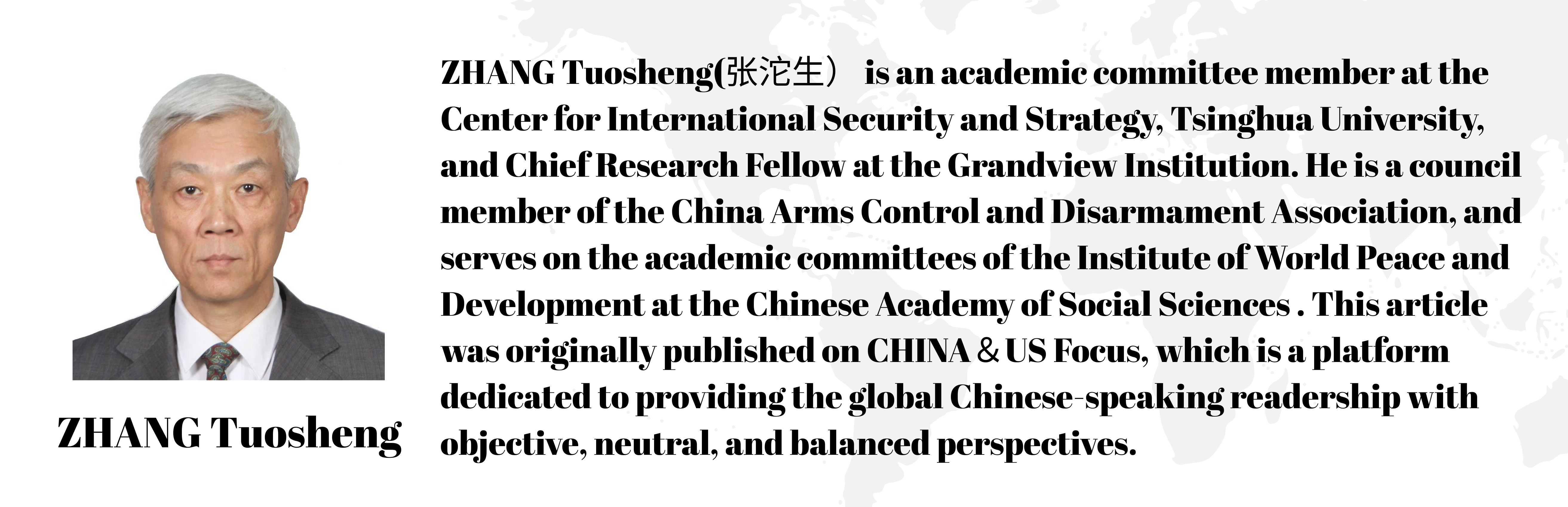
ZHANG Tuosheng:Seizing the Window of Opportunity to Strengthen China–U.S. Crisis Management
An Opportunity for Stabilisation
A series of developments—the October 2025 Busan summit, revived cabinet-level contacts, Trump’s proposed visit to China in April 2026, and a possible return visit by Xi—have brought slight stabilisation to China–US ties. This creates a window of opportunity to restore and strengthen crisis-management mechanisms.
Rising Crisis Risks, Eroding Safety Nets
In the past ten years, the U.S. definition of China as its main strategic competitor has worsened relations and raised the risk that maritime and air incidents escalate into direct military conflict. At the same time, the crisis-management architecture has weakened: hotlines and high-level visits have been underused or stalled, most security dialogues suspended or only intermittent, and confidence-building measures have not kept pace with more frequent and risky encounters between both sides’ naval vessels and military aircraft.
Priorities for Rebuilding Crisis Management
First, strategic communication should be quickly restored: both sides should seek to realise reciprocal presidential visits by 2026; regular exchanges among foreign and defence ministers and senior security officials should resume; and hotlines should become faster and more usable before and during crises. In restoring strategic communication, both sides should uphold the principles and spirit of the Three Joint Communiqués, oppose “Taiwan independence”, and work to maintain stability in the Taiwan Strait, the South China Sea and the Korean Peninsula.
Second, on the basis of remaining working-level and maritime-safety talks, four priority dialogues should be re-established or launched: a joint staff dialogue; a “2+2” Asia-Pacific security consultation; a “2+2” arms-control and non-proliferation consultation; and a “2+2” strategic-stability dialogue focused on nuclear arms control, crisis stability and cyber/space/nuclear safety.
Third, both sides should reach a common understanding on the definition of crisis management. Crisis management includes both crisis prevention and escalation control, with prevention placed first. The practice of creating serious risks and then calling for crisis management should be rejected, with Pelosi’s 2022 visit to Taiwan cited as a negative example. Stronger confidence-building measures are needed on missile-launch notification, nuclear-safety guarantees, a bilateral no-first-use pledge, and mechanisms to avoid being dragged into crises by third parties.
Avoiding Thucydides and Cold War Traps
More effective crisis management is essential to avoiding both a “Thucydides trap” and a new Cold War. Robust mechanisms would protect the strategic interests of both countries and underpin strategic interests of the region and countries around the world. This will, however, need sustained and coordinated effort from both sides.
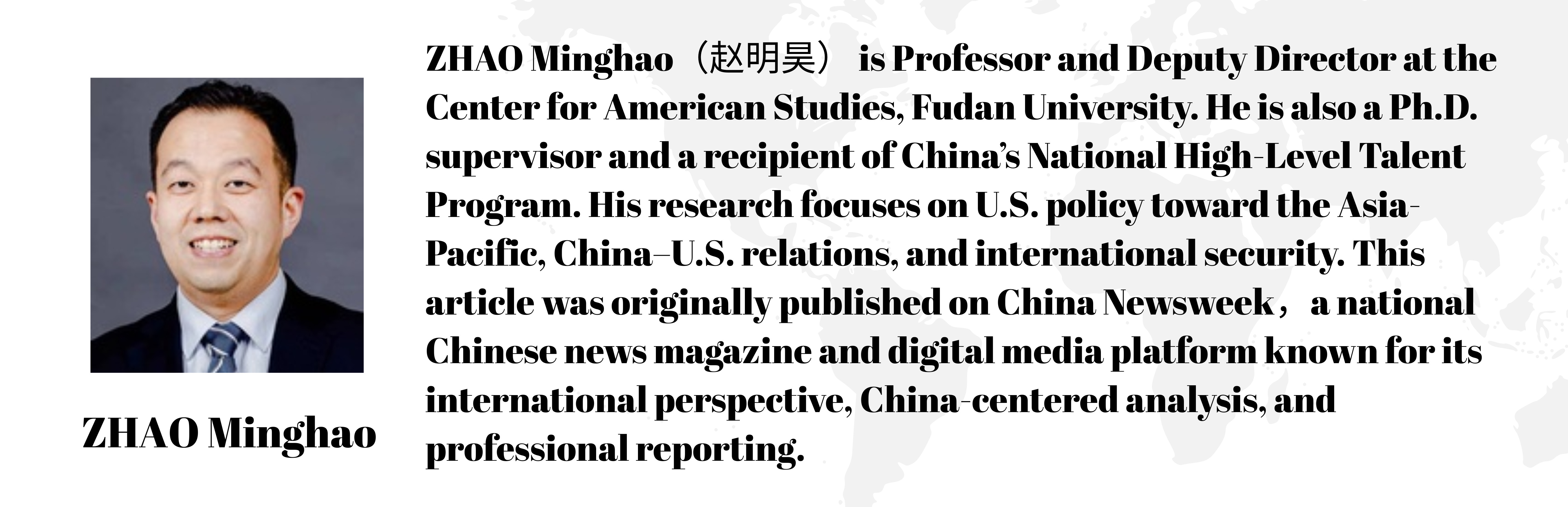
ZHAO Minghao: Cooperation as the Key to Mutual Greatness
Bilateral Reset and Economic Consensus
The 100-minute dialogue focused on the long-term direction of China-U.S. relations and confirmed progress in trade negotiations previously held in Kuala Lumpur. The United States agreed to withdraw the so-called “fentanyl tariff” and to suspend the 50% penetration export-control rule for one year., while China implemented reciprocal measures. The cordial tone and balanced outcomes underscored renewed momentum after months of diplomatic tension, signaling that both sides recognize the value of stability over confrontation.
From Strategic Friction to Pragmatic Engagement
The Busan summit reflected a cautious yet meaningful strategic recalibration in China-U.S. relations. President Xi urged both sides to approach differences with rationality and to focus on the “big picture” — to “keep the long-term and overall interests in mind” — turning friction into cooperation.He emphasized that economic relations should act as a ballast and driver for bilateral stability. President Trump echoed that “dialogue is better than confrontation,” indicating readiness for renewed engagement. Analysts noted Beijing’s calm confidence in pursuing mutual benefit while advancing its modernization goals. Trump’s “G2 is coming!” remark—though symbolic—suggested interest in great-power coordination. Scholars foresee expanding cooperation beyond trade, in areas such as AI governance, public health, and regional stability in Ukraine and the Middle East, reviving long-dormant channels of dialogue.
Toward a Mutually Reinforcing Partnership
The Xi–Trump meeting sent a constructive signal of resilience in China-U.S. relations. Both sides recognized that stabilizing and advancing the relationship will require continued effort. They also identified three clear directions for future engagement. First, they will expand dialogue from trade issues to broader areas such as law enforcement, public health and emerging technologies. Second, they will strengthen coordination on regional and global challenges including Ukraine, the Middle East and humanitarian crises. Third, they emphasized the importance of maintaining regular and institutionalized communication between the two leaders. President Xi’s statement that “China has never sought to challenge or replace anyone, but to do its own job well and share development opportunities”underscores that China and the United States are not destined for a zero-sum rivalry and that both countries can achieve success through mutual benefit.
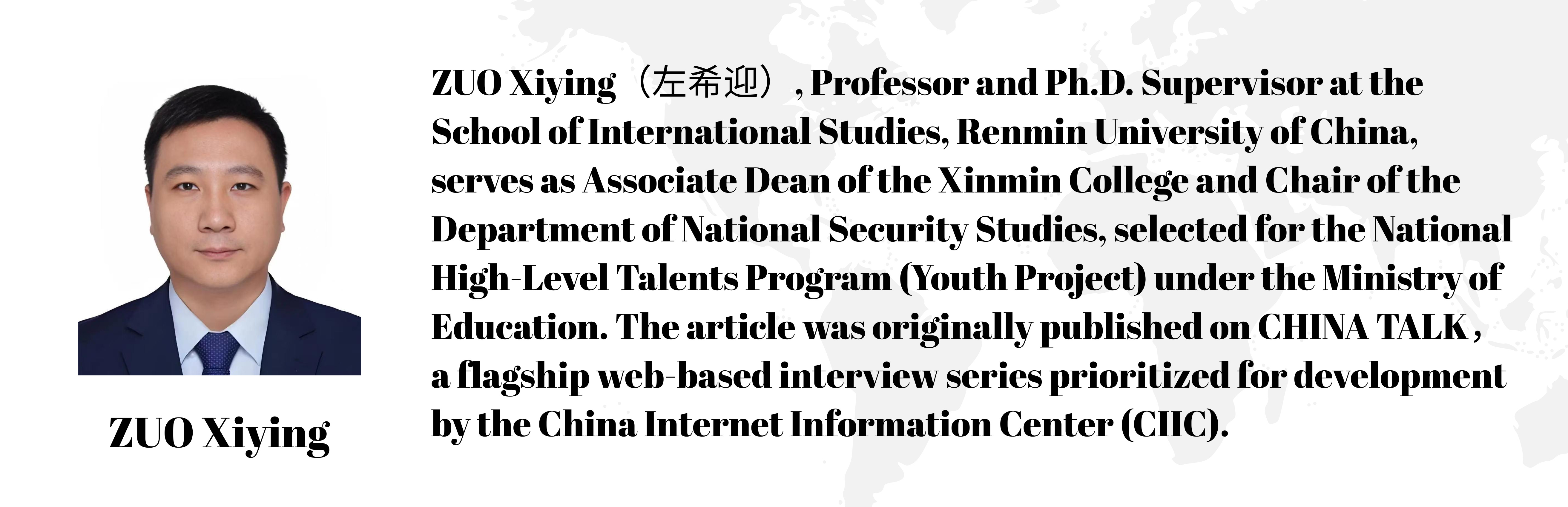
ZUO Xiying: From a Stable Today, Toward a Shared Tomorrow
Recent high-level engagement reflects a more rational phase of competition, with both sides recognizing each other’s bottom lines and maintaining stability without abandoning competition.
U.S.-China Summit in Busan: Anchoring Tensions, Delineating Boundaries
This round of U.S.-China summit talks has yielded three primary achievements. First, the U.S. agreeing to reduce tariffs on fentanyl-related products by 10%. Second, the U.S. will lift its 50% rule regarding export controls. Third, it resolves the section 301 investigation concerning maritime affairs, logistics and shipbuilding. These outcomes effectively address China’s core concerns—especially the latter two items, which touch upon vital Chinese interests.
The subsequent meeting between the two nations’ defense ministers also sent crucial signals, clearly conveying a shared intent to avoid conflict, significantly reducing uncertainties regarding certain strategic intentions and establishing a very solid foundation for military exchanges and building mutual trust. Even acknowledging the potential for more intense confrontation in the future, China’s demonstrated exceptional resilience warrants a degree of optimism. It is believed that the U.S. will come to recognize that aggressive disengagement is against the interests of both nations’ people.
China’s Evolving Role: Demonstrating Resilience, Forging a Distinct Approach
During the first Trump administration, China initially found itself in a passive position in the trade war. However, by establishing preventive and responsive mechanisms, China demonstrated exceptional resilience across economic and political spheres, and ultimately strengthened its bargaining position. For example, the feasibility and timeline for establishing this U.S.-sought rare earth supply chain are partly influenced by the ongoing U.S.-China trade tensions. As one of the handful of countries that refused to capitulate immediately, China has its formidable economic strength. Possessing clear self-awareness while being underestimated by the U.S., China learns from the trade war and is adept at leveraging its own strengths to influence the U.S. China firmly counters the U.S. rather than compromising, demonstrating determined strategic resolve in this contest.
The 15th Five-Year Plan Proposal: Expanding High-Standard Opening Up, Forging a New Phase of Win-Win Cooperation
The 15th Five-Year Plan represents a key phase in “basically realizing socialist modernization”. It indicates that China has entered a critical period for the great rejuvenation of the Chinese nation. Amid a complex internal and external environment with coexisting strategic opportunities and challenges, China’s continued expansion of high-standard opening-upg can be regarded as a crucial foundation for the strategic competition with the U.S. Despite the impact of the U.S.-China trade war, China’s foreign trade is actively seeking new markets, including the broader “Global South” – Southeast Asia and other regions – as well as nations along the Belt and Road.
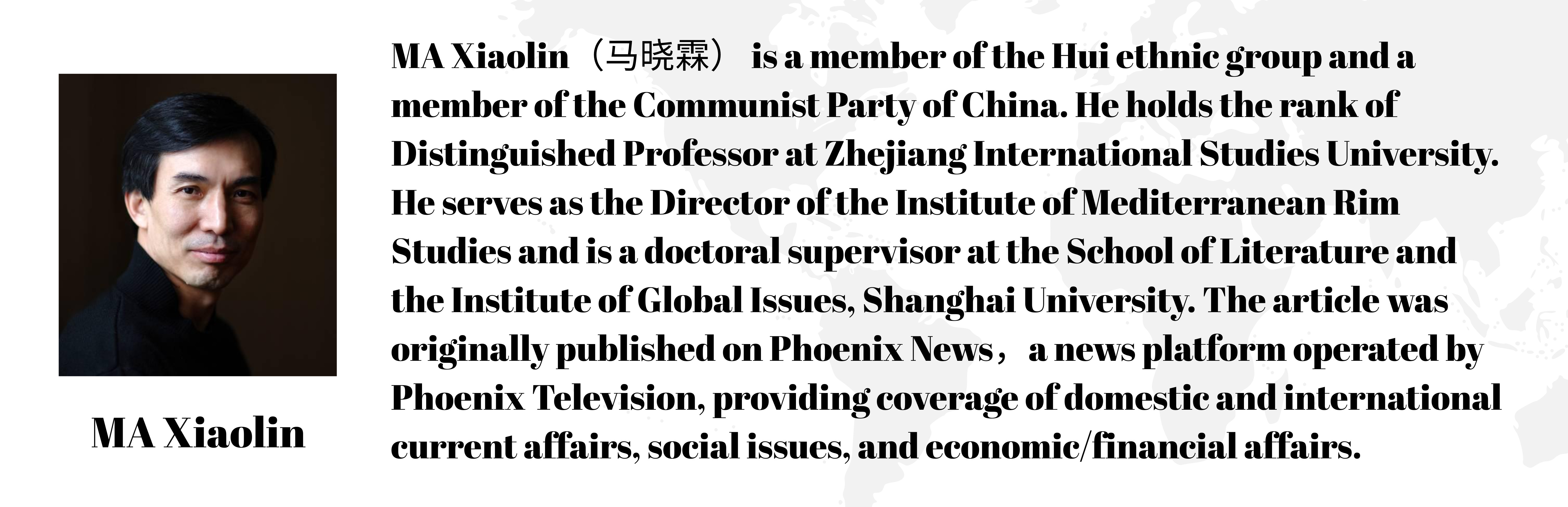
MA Xiaolin: China-U.S. Summit Sends Three Key Signals, “Fight Without Breaking” Enters a New Phase
The China-U.S. leaders’ meeting in Busan has established a new phase of ‘fighting without breaking,’ characterized by managed competition, a stabilized Taiwan issue, and targeted, pragmatic cooperation.
A New Framework of Managed Strategic Rivalry
The summit has effectively formalized a “new normal” in U.S.-China relations, anchored in the principle the concept of “fighting without breaking.” This reflects a shared and pragmatic recognition that strategic competition between the two nations is both intense and here to stay. Yet, importantly, neither side wishes to see this rivalry escalate into direct confrontation or a full-scale Cold War. To this end, they have emphasized the need for guardrails—such as sustained high-level communication and crisis management protocols—that will allow competition to continue within stable and controlled parameters. In essence, the relationship is evolving into one where competition is balanced by coordination, and the chief objective remains coexistence despite fundamental differences.
Taiwan: A Stabilized Core Interest
During the Busan summit, the leaders of China and the United States did not discuss the Taiwan issue, indicating this longstanding obstacle in bilateral relations appears to have been removed from their agenda. This contrasts sharply with their meeting in Osaka six years ago. The absence of Taiwan in both the September 19 phone call and the recent summit sends a notable signal, reflecting substantial progress in overcoming the “Taiwan obstacle” in Sino-U.S. relations. From Beijing’s standpoint, the island represents an absolute core interest that admits no compromise. The article notes that Washington’s reaffirmation of the One-China policy and its adherence to the Three Joint Communiqués were seen as a major diplomatic achievement. By reinforcing these longstanding principles, the two sides have temporarily stabilized what has been the most volatile issue in the relationship—successfully lowering the risk of a crisis while preserving their respective positions.
Limited Cooperation as a Stabilizing Mechanism
In parallel with managing competition, the two countries have identified areas for selective, pragmatic collaboration. Rather than signalling a broad improvement in relations, this limited cooperation acts as ballast, helping to steady ties amid broader friction. Key fields include macroeconomic coordination, people-to-people exchanges, and shared challenges like climate change and public health. Such targeted engagement offers a practical way to maintain communication and prevent the relationship from turning wholly adversarial, even as strategic disagreements persist.
Conclusion
The Busan summit is widely seen as a turning point that halted the downward spiral in China-U.S. relations and offered a roadmap for recalibrated, managed competition. Yet structural rivalry, domestic hardening in the United States, and persistent security frictions mean the relationship remains fragile. To turn a “stable today” into a “shared tomorrow,” both sides must institutionalize high-level dialogue, upgrade crisis-management and strategic-stability mechanisms, and expand economic, technological, and societal exchanges so that interdependence functions as a stabilizer rather than a source of recurring shocks.
Editors for Today’s Newsletter:
SUN Chenghao, SHAO Yujie, Stefanie Perner, LI Xinyi, Zhang Xinyue, LIU Zhuofan, CHEN Weng U, Yamada Yumi, ZHANG Xueyu


Wholeheartedly agree that "Head-of-state diplomacy and renewed high-level contacts are seen as key stabilizers in an era of enduring strategic competition." Unfortunately, Trump clearly doesn't practise,or understand "diplomacy".